
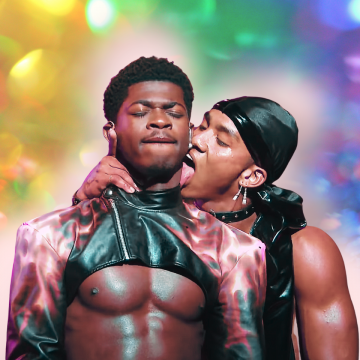





Evaluating the Male Gaze in Classrooms
This essay is published as part of WYV Young Voices, a column highlighting upcoming writers under the age of 21. Upholding the male gaze in education encourages male students to view women as pleasure objects devoid of any personhood CW: The following
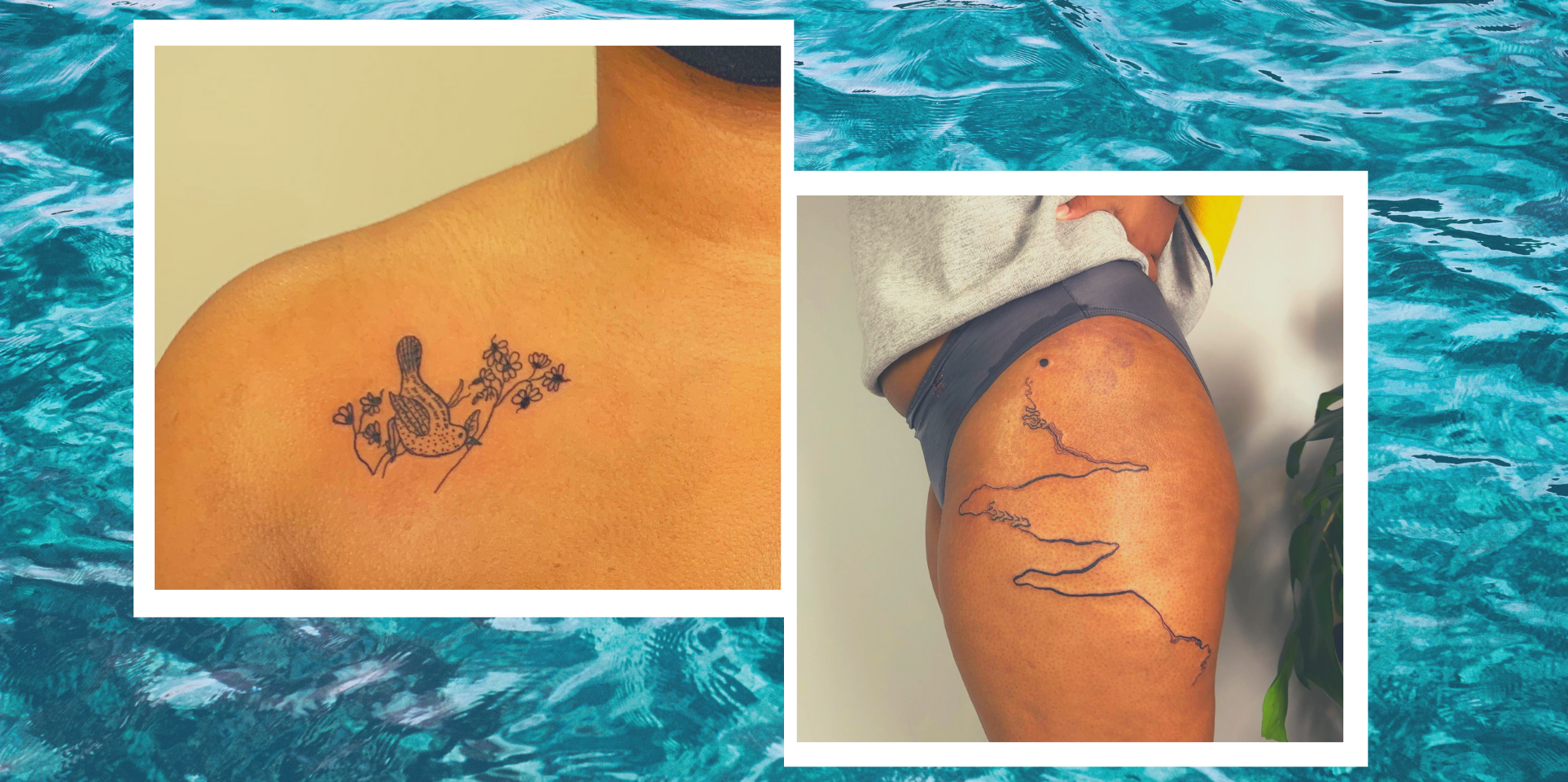
My Tattoos Help Me Cope With Misogynoir And Remind Me I Am Worthy
My tattoos do not change the systems at hand, but they do announce to myself and others that I exist in multitudes and no one can take that away from me. By Amari Gaiter If I could travel back in time and

My Gender Transition Comes With A Perpetually Sore Throat
I look forward to the day when I don't have to constantly think about myself and my body as “in transition” and a sore throat is just a sore throat. CW: transphobia, testosterone, mention of trauma as a trans person By Mateo

Loving Magical Girls As A Black Non-binary Person
Although the magical girl genre inspires cisgender girls and women, the genre also has the potential to do the same for transgender and non-binary people.
By Latonya Pennington Originating in Japan as a sub genre of Japanese anime, the magical girl genre is known for young girls utilizing special abilities, femininity, and cuteness to save the world from evil. This year marks the 20th anniversary of two groundbreaking magical girl shows, Sailor Moon and Revolutionary Girl Utena. While both shows are considered empowering for cisgender girls and women, I've come to relate to them and the entire magical girl genre differently as a Black femme non-binary demi-girl. Of the two shows, Revolutionary Girl Utena has made the most impact on me as a non-binary person. The anime tells the story of a teen girl named Utena Tenjou. When Utena's parents die when she is a child, Utena is comforted by a young man known as “The Prince”, who gives her a ring that will lead her to him. Utena is so impressed by The Prince that she decides to become a Prince herself. The ring causes Utena to attend Otori Academy, where Utena becomes embroiled in a conspiracy involving a series of duels surrounding the Rose Bride Anthy Himemiya. Two years ago, Utena sparked my gender queer awakening because she was a girl who desired to be a Prince and liked wearing a boy's uniform at school. She validated my high school experiences of liking t-shirts and pants and short hair over long hair and overly feminine clothes. When Utena gets scolded for wearing a boy's uniform, she spoke to my experience of being told, "Girls should have long hair." Utena made me realize that if I didn't consider myself a girl, then I could become something else.Related: BEING WEIRD AND BLACK DOESN’T MEAN YOU’RE INTERESTED IN BEING WHITE
#DecolonialLove: On Building A More Liberatory Culture of Love
Decolonial love, liberated love, is true love. “Feminism is, nevertheless, very threatening to the majority of Black people because it calls into question some of the most basic assumptions about our existence, i.e., that gender should be a determinant of power